How the vision of the Bethany Land Institute grew from humble village beginnings to a continental model,
Author: Fr Emmanuel Katongole is a Catholic priest of Kampala Archdiocese, Uganda, and co-founder to the Bethany Land Institute
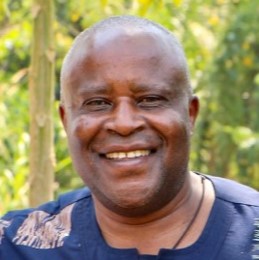
On Tuesday 26th of May, the Journey to 2030 network met online for the latest session in our Jubilee Garden Project series. We were joined by Fr Emmanuel Katongole, co-founder of the Bethany Land Institute, who shared the story of this inspiring organisation and reflected on how its lessons might be applied to our own Jubilee Garden spaces. This blog is a summary of his talk.
Fr Emmanuel grew up in Malube, a small village in the Mpigi District of central Uganda. He remembers a beautiful rural childhood of the 1960s as a part of a close-knit community surrounded by native forests. He watched over the years how his home became less and less connected with nature; trees were felled to make way for mono-crops, disenchanted youths left the village to live in the cities, often ending up in slums. Fr Emmanuel recognised that the root of the issue was not just environmental, but educational and economic as well. He teamed up with friends Cornelius and Tony to create the “3 Es” initiative – looking at how Environment, Education, and Economics are interconnected challenges that require integrated solutions. They were able to buy some land to plant a forest, and the project grew from there.
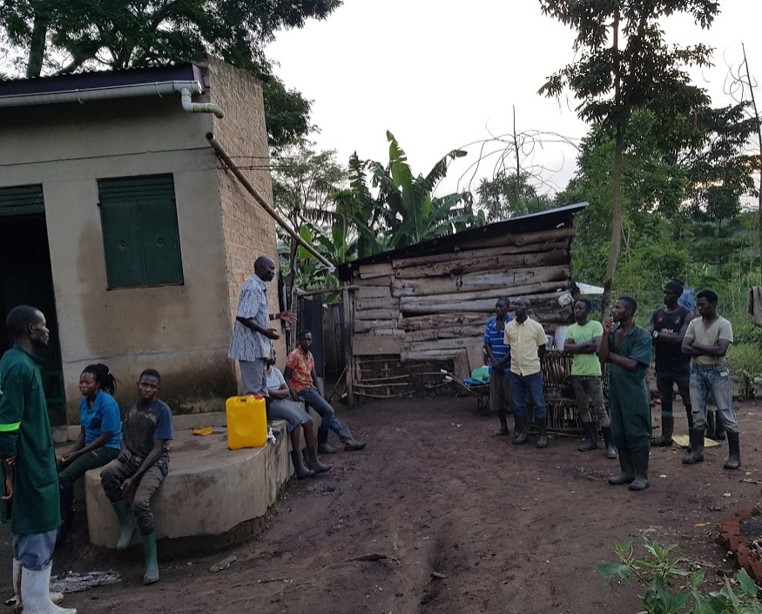
On this land, they started gathering young people to teach them about agriculture. Pope Francis’ Laudato Si’ became the framework for their work; emphasising the connection between the cry of the earth and the cry of the poor, the importance of integral ecology, and the spiritual transformation required for ecological conversion. This became the impetus for the team to found a centre for integral ecology.
The Kasana-Luweero Diocese recognised their work and gave them some new land (over 400 acres) near a Catholic parish to make their “Laudato Si’ Diocese”. The land was degraded by logging and in need of conservation. In 2019 they signed their 49-year lease and have been working hard since then. And so, the Bethany Land Institute was born.
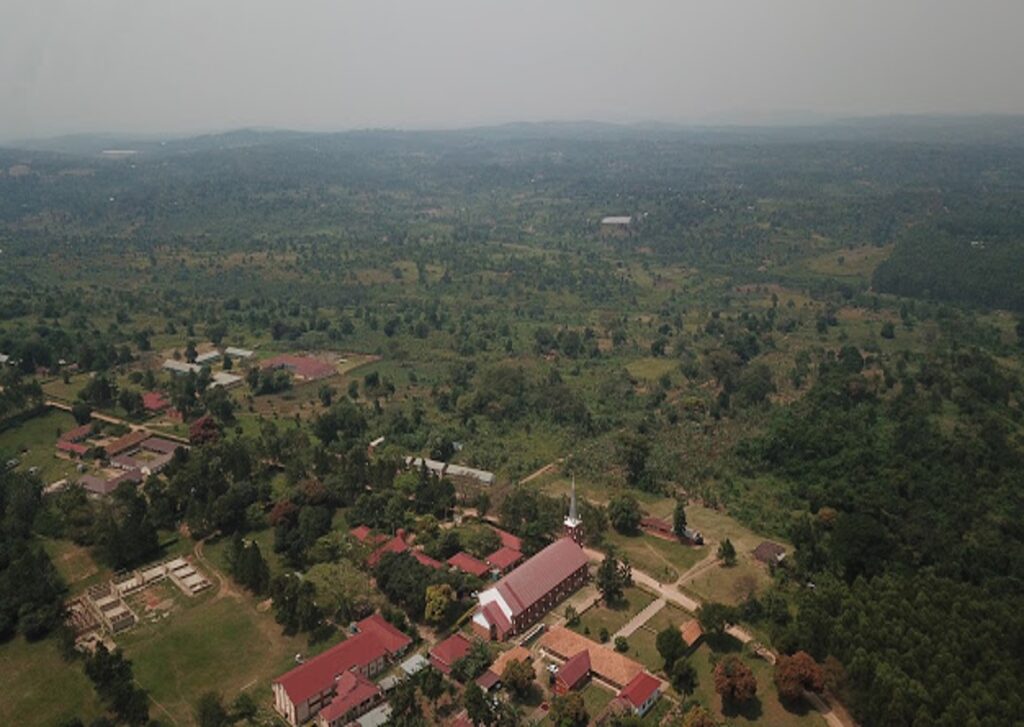
The site is split into 3 key components, focusing on the family of Bethany – Mary, Martha, and Lazarus. Bethany was a village within walking distance of Jerusalem where the poor lived (the name literally translates from Aramaic “beit ‘anya” as “house of the poor”). It was where Jesus stayed whenever he visited the city. In this sense, it provides a powerful lens for the Church in Africa, as it ministers to some of the world’s most marginalised communities. The three characters of Bethany also lent themselves perfectly to the original goals of the project – Economics, Environment, and Education:
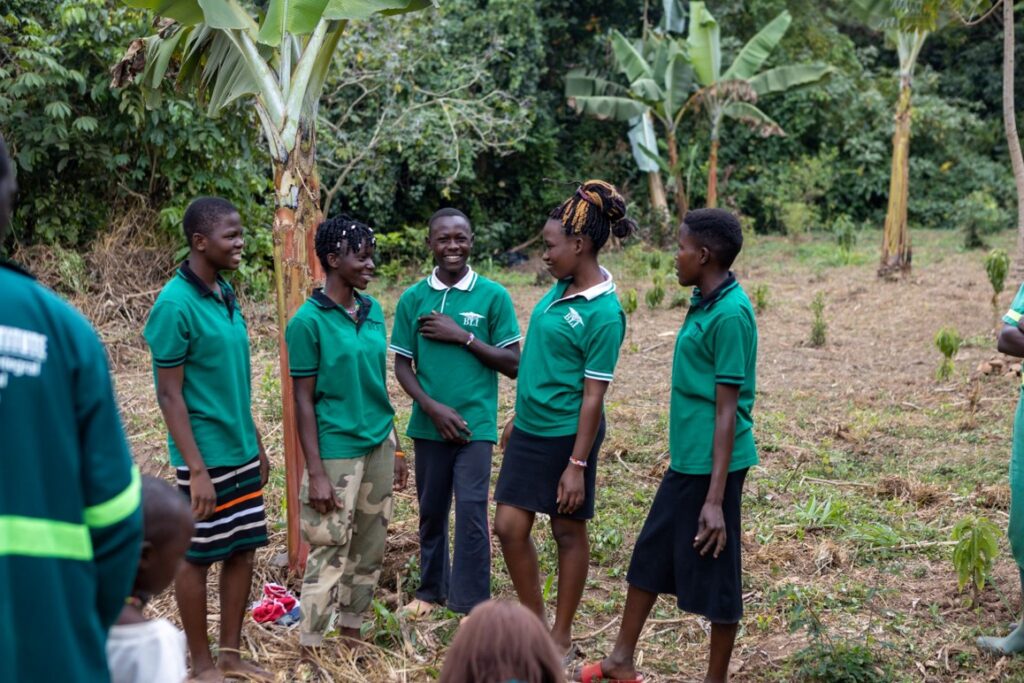
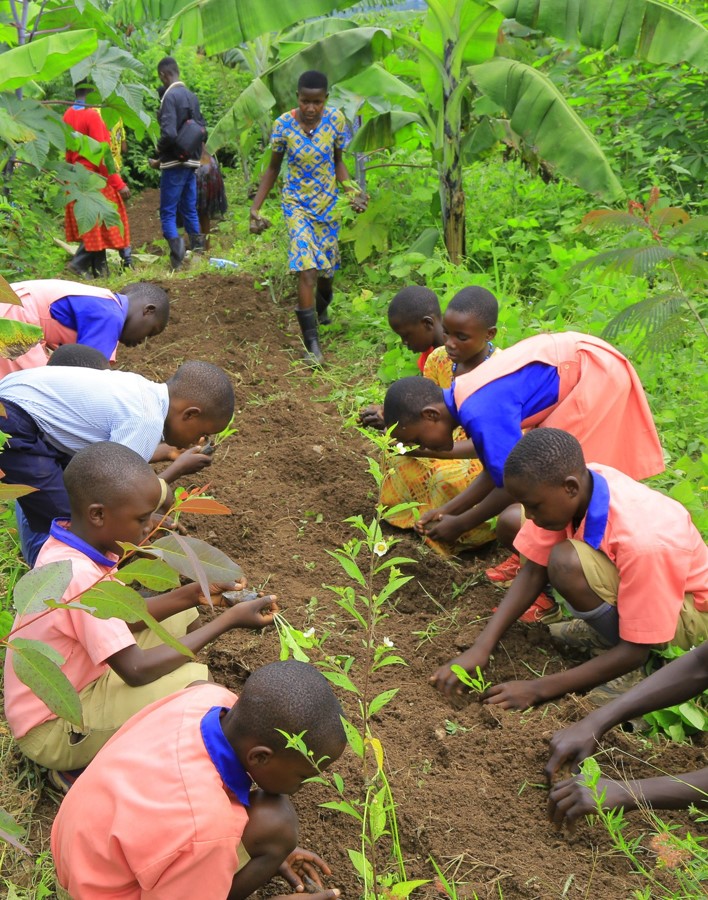
- Mary’s school: Mary is always sitting down and listening to Jesus; she captures the essence of attentiveness and learning that inspired the educational component of the programme. It explores how we listen to our relationship with God, planet and others – forming participants in these relationships through regenerative agriculture; responding to the earth in a way that is not violent or coercive. The students are called “caretakers” (Genesis 2:15) and spend 2 years at the school. Seminarians also take part in a 4-month stay at the school, to experience the closeness with the planet and provide them with the formation needed for parish life.
- Martha’s market: Martha is the character who manages the home, and so is the Economics wing of the institute. This is where students are educated on finance, business, accounting, banking and marketing and understanding how the land can provide a sustainable livelihood. This also includes a saving and credit organisation (SACCO) where students can save and borrow money
- Lazarus’ forest: Lazarus, the brother who was sick, died, and brought back to life, exemplifies the need to conserve native forests. The ecological education component of the institute is about showing how nature, currently suffering, needs to be revived. The forest is a site of nature’s resurrection; serving as the only native forest in the 150-mile radius. It is a 244 acre site with over 230,000 trees and 223 bird species, with a goal to plant 1 million trees by 2050.
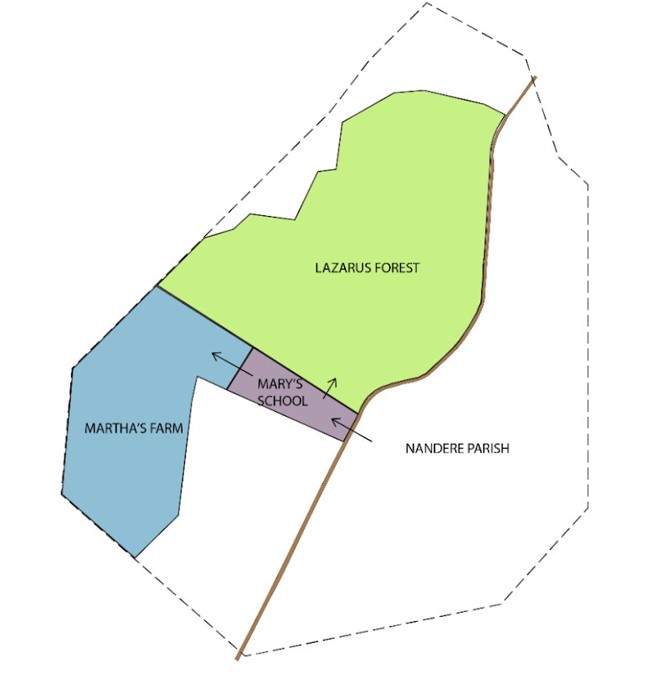
The aim of these 3 projects is community transformation; bringing regenerative agriculture to rural communities, working with farms and schools to change practices. They are now measuring their impact across the Nadere “model parish”; using a 5-year study to understand how their work is influencing the communities surrounding the Bethany Land Institute. Last year, they celebrated the 10th anniversary of Laudato Si’ at the institute to share their model for the regeneration of rural life in Africa.
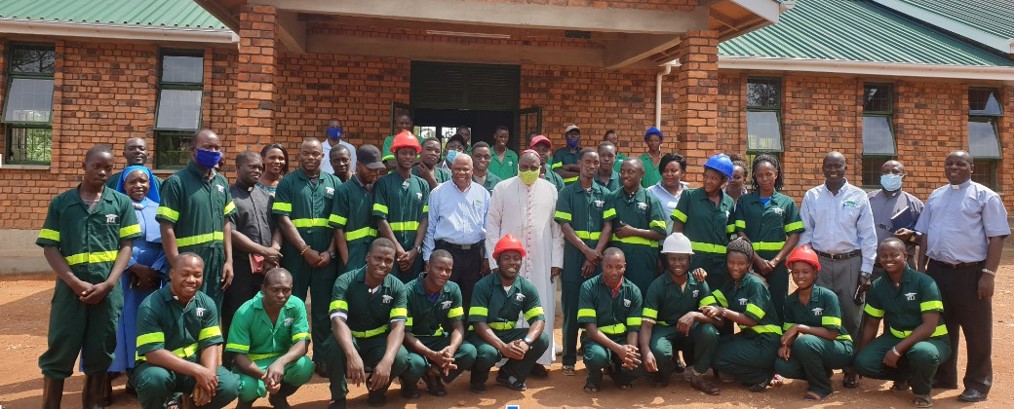
Reflecting on his journey, Fr Emmanuel said he could never have imagined that what began as a small village initiative would become a model with influence across Africa. His encouragement to us was simple: start small and see where it leads. Be open to surprise, and trust that meaningful change often begins in unexpected ways.
Fr Emmanuel has shared his full story in his book Stories from Bethany, On the Faces of the Church in Africa, which can be purchased from Paulines here.