Exploring how early modern English Catholic Recusants used their outdoor spaces for art and devotion during a time of persecution
Author: Aurelia Eburne is a doctoral researcher in Early Modern Gardening at Durham University

On Tuesday 24th March, the Journey to 2030 Network met online to hear the insights of guest speaker Aurelia Eburne. As a part of our Jubilee Garden Project series, we have been exploring how gardens and outdoor spaces can be used to both deepen our faith and help us to care for Creation. In this meeting, Aurelia gave us a wonderful insight into the English Catholic Recusants (Catholics who refused to give up their illegal faith during persecution in the 17th century), and how gardens were used as a space of secret devotion and places of relief. This blog is a write-up of the talk she gave.
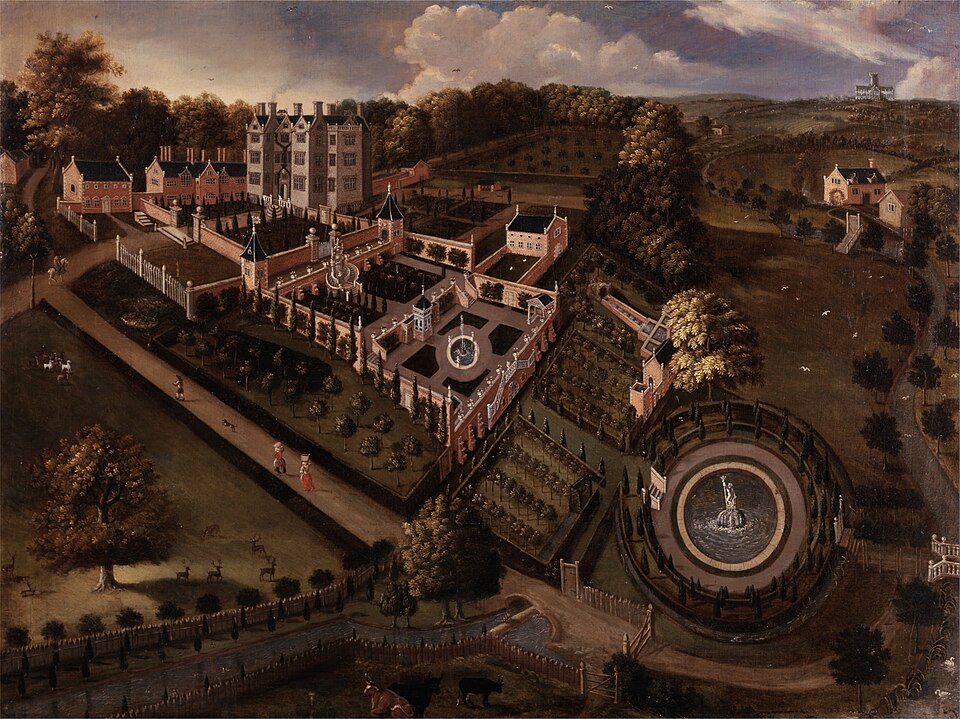
Catholic faith in England and Wales was illegal from 1559 to 1791, although full emancipation wasn’t achieved until 1829. During this time, anyone caught practicing their Catholic faith faced huge fines, imprisonment, banning from public participation, and property confiscation; priests were treated as traitors and charged with treason to face execution or life imprisonment. Those brave Catholics who chose to continue practicing their faith had to do so creatively to avoid detection. The “Church” moved into the domestic sphere, where households used art and outdoor spaces to express their faith. In Ireland, congregations used “Mass rocks” (natural rock altars) hidden in remote areas, or elsewhere using trees, holy springs, and gardens as places of encounter became common; places with ‘plausible deniability’ to make them opaque to externals. This practice contributed to nature being seen more as a place of spiritual closeness with the divine.

The image of the Blessed Virgin as “hortus conclusus” (enclosed garden) is a late medieval idea based on readings of Song of Songs, that cast Mary as a protective, fertile space for the “fruit” of her womb Christ Jesus. This image was expanded in the early modern period to place the Church as the “Body of Christ” also under her protection, creating that ecclesiological image of protection of the hidden Church under persecution. Henry Hawkins’ 1633 book “Partheneia sacra” is an important devotional work that draws heavily on this imagery. It contains 20 different outdoor elements, through poetry, art, prayer, and essays, each as a mini devotion to the Virgin Mary. Elements include the bumblebee, the dew, the violet etc.; all examples of everyday things found in an outdoor space that can be used to help us worship. Another later work, Richard Challoner’s “The Garden of the Soul” (1741) draws upon similar ideas, exemplifying how commonplace this metaphor became as the century progressed; the spiritual life is not confined to Mass, but something that seeps into every moment of our life.
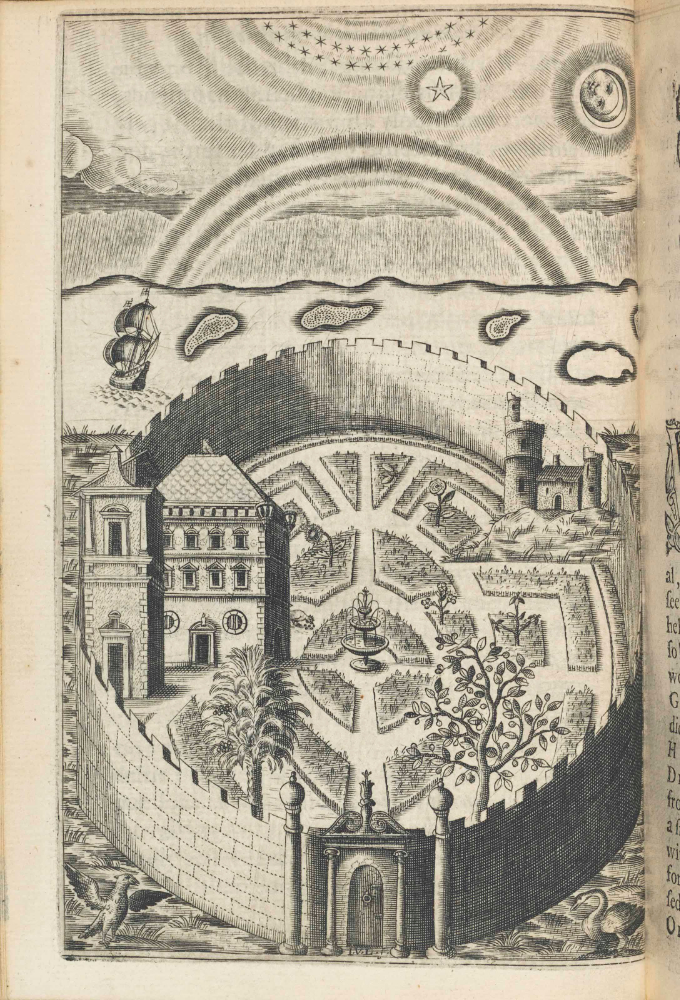
It was through persecution that this practice of devotion found its home; a deep understanding of the outdoor world that our faith has now largely forgotten. Modern Church spaces often underutilise the rich Catholic tradition of gardening as a devotional practice where everything is connected, even things that sit outside of the garden (the sky, sounds, the air etc.), and that all requires care and nurturing. We could learn something from the treatment of all things in the natural environment as aiding our connection with the divine, and by extension deserving of our respect and stewardship. This is an understanding that we now refer to as the principle of Integral Ecology; that everything is deeply connected.
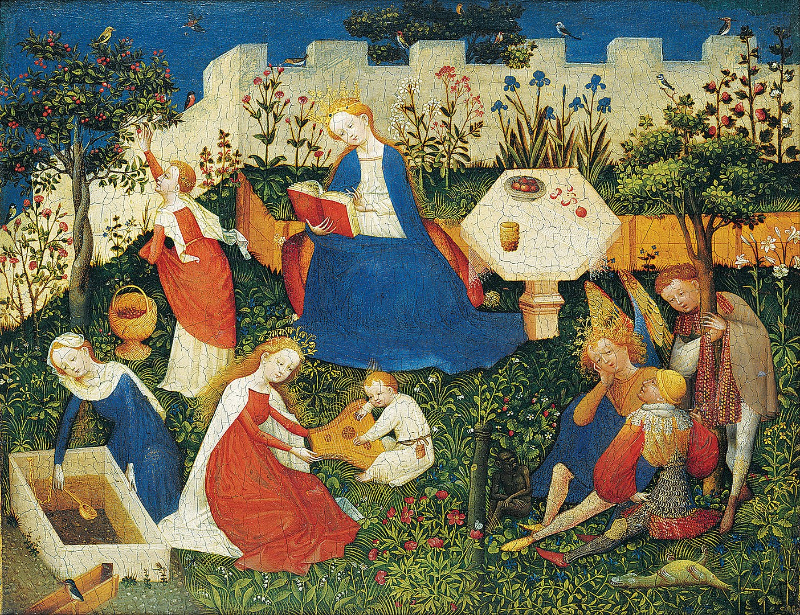
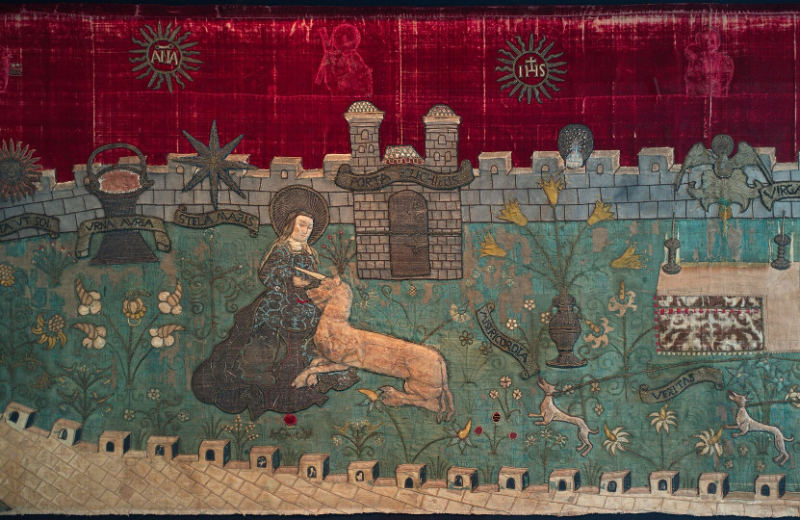
The network spent some time reflecting on Aurelia’s words and had a discussion on how modern parishes can use this deep history of outdoor devotion to create holy gardens. As Catholics became more accepted into public life, leading to full emancipation in the 1800s, it was no longer necessary to hide their faith in the garden, but the practice is a great opportunity to help our communities to understand the principle of Integral Ecology, and to creatively engage people in different ways to interact with the natural world.
The Jubilee Garden Project is an opportunity to do just that; Gardens become places to put down roots, build fellowship, and strengthen belonging. They offer a physical and symbolic space where social, environmental, spiritual, and even economic renewal can take shape. Click here to find out more.